
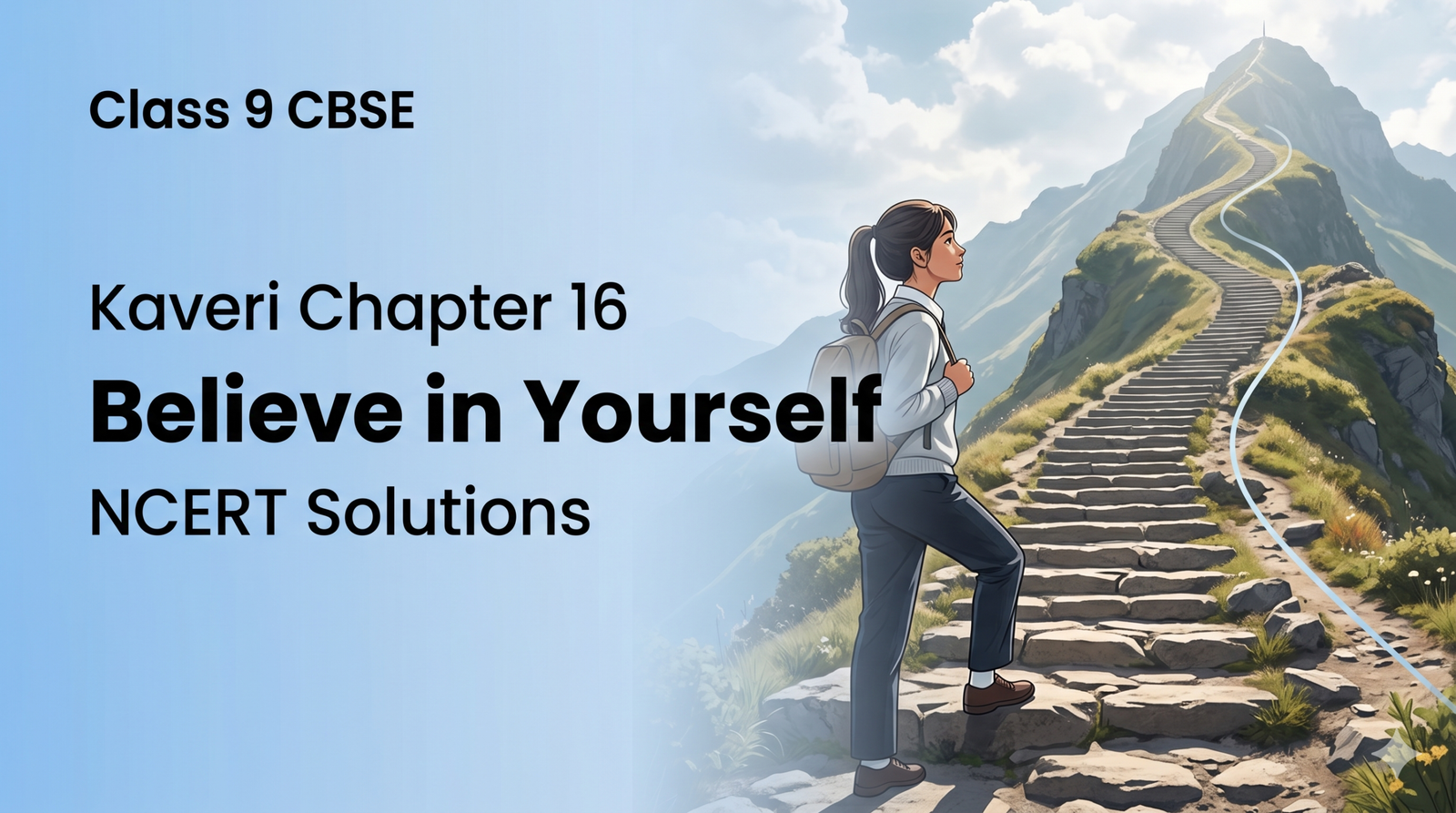
Believe in Yourself
By Robert Langley
1. Note on the Poet
Robert Langley is a contemporary English-language poet whose works focus on personal growth, motivation, and the human experience. He writes poems that encourage readers to reflect on their life choices, face challenges courageously, and strive for self-improvement. Langley’s style is simple, clear, and inspirational, often using relatable scenarios and straightforward language to convey deep life lessons. His poems are widely appreciated in schools and online platforms for their motivational value. Through his writing, Langley aims to inspire individuals, especially young people, to overcome fear, embrace change, and work hard toward their goals. His works contribute to literature by combining poetry with guidance for personal development.
2. Summary
Step Up to the Challenge by Robert Langley is a motivational poem about courage, self-belief, and taking decisive action to shape one’s future. The poem begins by describing a scenario where there is no audience or external support—it is just the individual facing the future. Langley emphasizes that at such moments, people often experience fear and hesitation, wondering whether to move forward or stay within their comfort zone.
The poem contrasts the ease of remaining in a safe and familiar situation with the personal growth that comes from stepping out and facing challenges. Langley highlights that difficult choices are part of life, and growth cannot happen without effort and courage. He points out that the first step toward any goal is always the hardest, but once it is taken, there is no turning back. Belief in oneself is essential for progress and for ensuring that the future remains on track.
Overall, the poem encourages readers to act despite fear, resist the temptation to stay comfortable, and trust their abilities. The central purpose is to motivate individuals to take responsibility for their future and embrace challenges as opportunities for growth. The poem is short but impactful, using direct language to convey the importance of initiative, determination, and self-confidence in achieving one’s goals.
3. Key Turning Points
Facing the Future Alone
↓
Feeling Fear and Uncertainty
↓
Temptation to Stay in Comfort Zone
↓
Realization: Growth Requires Effort
↓
Taking the First Difficult Step
↓
Belief in Yourself and Persistence
↓
Moving Forward and Overcoming Obstacles
↓
Future on Track / Achievement
4. Character or Subject Briefs
Individual / Self:
The poem focuses on the individual as the central subject. This person faces the future alone, without external support or guidance. The individual experiences fear, uncertainty, and the temptation to stay in a comfort zone. Despite these challenges, they are urged to step forward and embrace difficult choices. Through self-belief and decisive action, the individual can overcome fear and make progress toward personal goals. The poem portrays the self as both vulnerable and powerful, emphasizing that growth and achievement are possible only when one acts courageously and responsibly.
5. Themes / Main Ideas
The major themes of the poem are courage, personal growth, and self-belief. Langley explores the idea that facing the future often involves fear and uncertainty, but remaining in a comfort zone prevents growth. He emphasizes the importance of taking the first step, however difficult, and trusting one’s abilities. Another key theme is the individual’s responsibility for shaping their future. The poem encourages readers to see challenges as opportunities for development and highlights that success comes from persistence, determination, and confidence in oneself.
6. Key Message / Moral / Author’s Purpose
The poem’s key message is that personal growth and success require courage, effort, and self-belief. Langley motivates readers to take the first step toward their goals, face challenges bravely, and resist the temptation to remain in comfort. By acting decisively and trusting their abilities, individuals can keep their future on track and achieve meaningful progress in life.
7. Literary or Writing Features
- Narrative Style / Tone: Direct, motivational, and reflective.
- Language and Imagery: Simple language with clear metaphors like “comfort” vs. “future.”
- Use of Examples / Storytelling: Uses relatable situations of choice and hesitation.
- Structure / Organization: Short lines and stanzas create rhythm and emphasize key ideas, making the message easy to grasp.
How to Prepare This Chapter for Exams
- Start by understanding the main idea of the poem. Focus on how the poet explains fear and decision-making.
- Learn the sequence of events and turning points. This helps in writing clear answers.
- Revise the main themes such as courage, growth, and self-belief.
- Practise writing answers in simple language. Keep your responses short and focused.
- Understand the message clearly because it is often asked in exams.