

For students, the differences between R1 and R2 in CBSE English are less about “difficulty levels” and more about the nature, depth, and pace of learning experiences they will encounter.
In an R1 classroom, students are expected to engage with language in a more expansive and exploratory way. They read texts not only for meaning but also for cultural connections, historical context, and aesthetic appreciation. This shows up in tasks that require longer writing, interpretation, and independent thinking. Students are encouraged to debate, analyse, and create with fewer constraints.
Over time, this builds confidence in expression, originality in writing, and comfort with abstract thinking. It also exposes them to India’s multilingual and literary diversity, helping them see language as tied to identity and culture.
In contrast, R2 offers a more structured and guided pathway. Students still work towards the same core competencies—reading, writing, speaking, and critical thinking—but with greater scaffolding. Tasks are often more clearly defined: shorter writing pieces, cue-based responses, and more text-bound questions.
This reduces cognitive overload and helps students build clarity, accuracy, and foundational confidence in using the language. For many learners, this structure is crucial—it ensures they are not overwhelmed and can steadily develop competence.
Assessment patterns reinforce these experiences. R1 students are pushed to extend ideas and interpret texts more freely, while R2 students are supported through step-by-step progression, with slightly more weight on guided comprehension and structured responses. Neither is “better”; they simply serve different learner needs and contexts.
In real terms, a student in R1 might become more comfortable writing a nuanced essay or analysing a character across texts, while a student in R2 might develop strong clarity in communication and reliable exam performance through structured practice.
Both pathways aim at the same destination—functional proficiency, critical thinking, and effective communication—but they take different routes.
The key implication is this: students are not being divided into stronger or weaker groups. Instead, the system is attempting—at least in design—to meet learners where they are, allowing them to grow in language with the right balance of challenge and support.
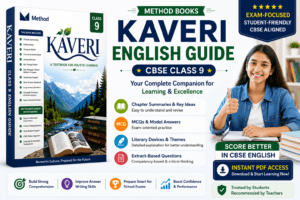
At Method Learners, we know that the new CBSE English curriculum can feel different—and sometimes challenging. That’s why we’ve created resources that help you understand better, write better, and score better, whether you are in R1 or R2.
Here’s how we support you:
- Clear, easy-to-follow study material that explains concepts simply
- Practice worksheets to build confidence step by step
- Chapter-wise and full-length question papers based on the latest CBSE pattern
- Writing support for notices, letters, articles, essays, speeches and more
- Grammar practice designed to help you avoid common mistakes
- Exam-focused revision material so you know exactly what to prepare
If you find English difficult, our materials give you structured guidance and practice. If you’re already confident, they help you go deeper and improve your answers.
We also provide test papers for school exams and midterms, so you can practise in a real exam format and feel fully prepared.
Our goal is simple: to help you feel clear, confident, and ready—in class and in exams.Want to try it out?
What are the key differences between CBSE R1 and R2 English?
R1 vs R2 CBSE Question Paper Pattern
Write to us at methodlearner@gmail.com to get free sample materials and explore our website.