
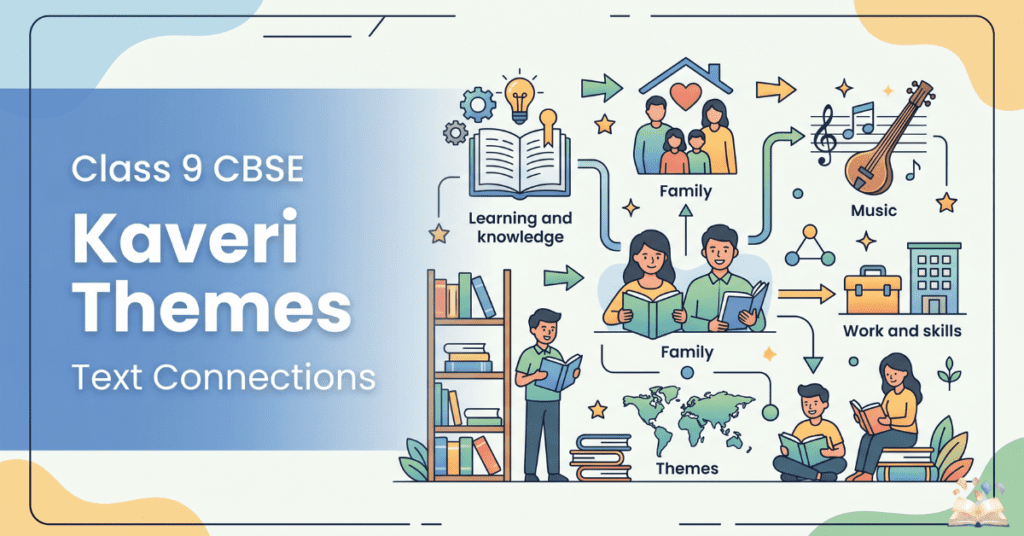
Understanding themes is one of the most important parts of Class 9 English. Instead of studying each chapter separately, students should look at how ideas connect across different texts. This approach improves comprehension, writing quality, and exam answers.
The Kaveri textbook is designed in a way where stories, poems, and essays share common ideas. These ideas include learning, family, dignity of labour, courage, and expression. When you study these connections, it becomes easier to answer long questions and value-based questions in exams.
The content below gives a structured view of these thematic connections. It helps you see how different chapters relate to each other and how similar ideas appear in different forms.
Thematic interconnections
1. Growth through learning, courage, and self-belief
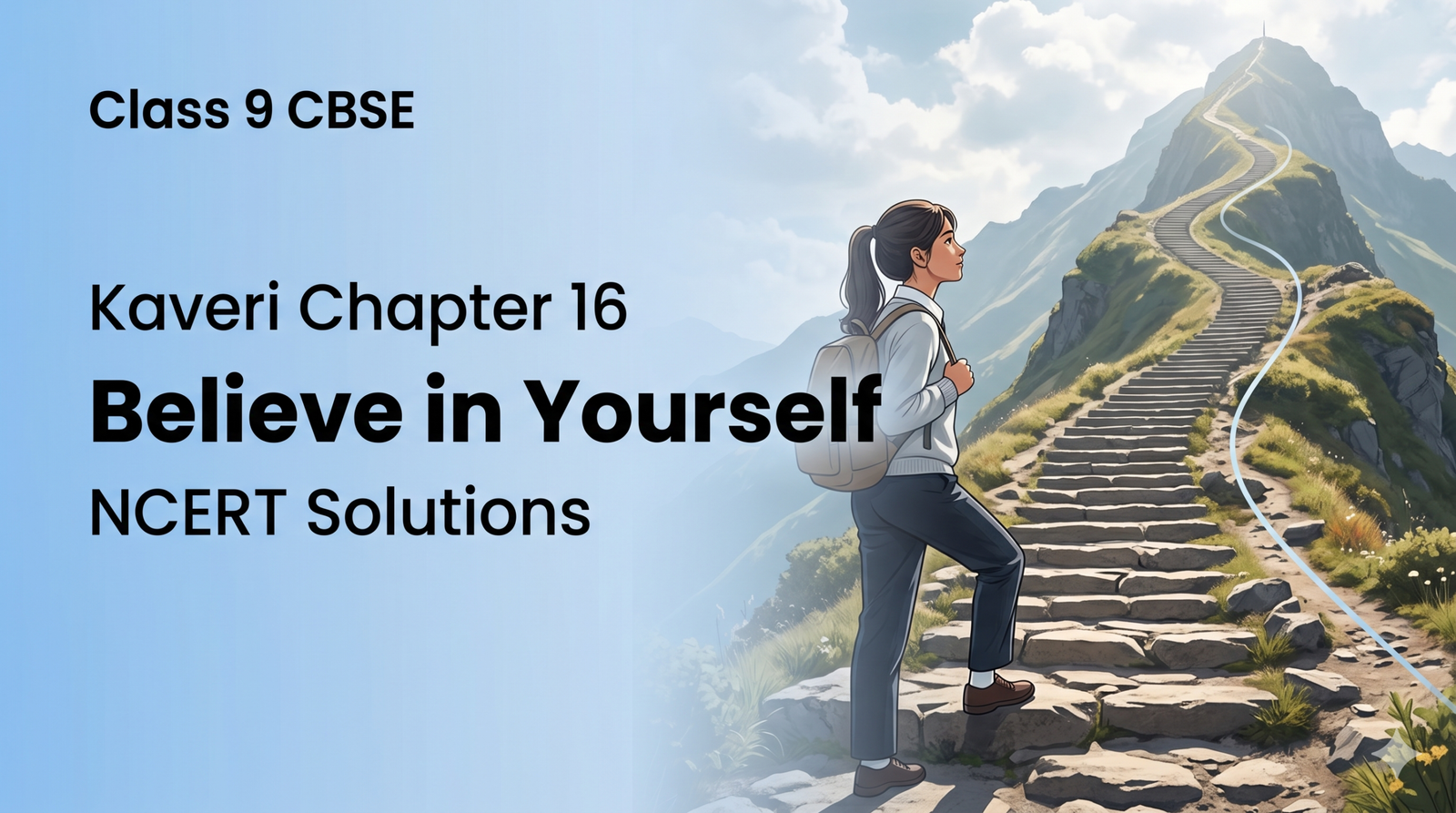
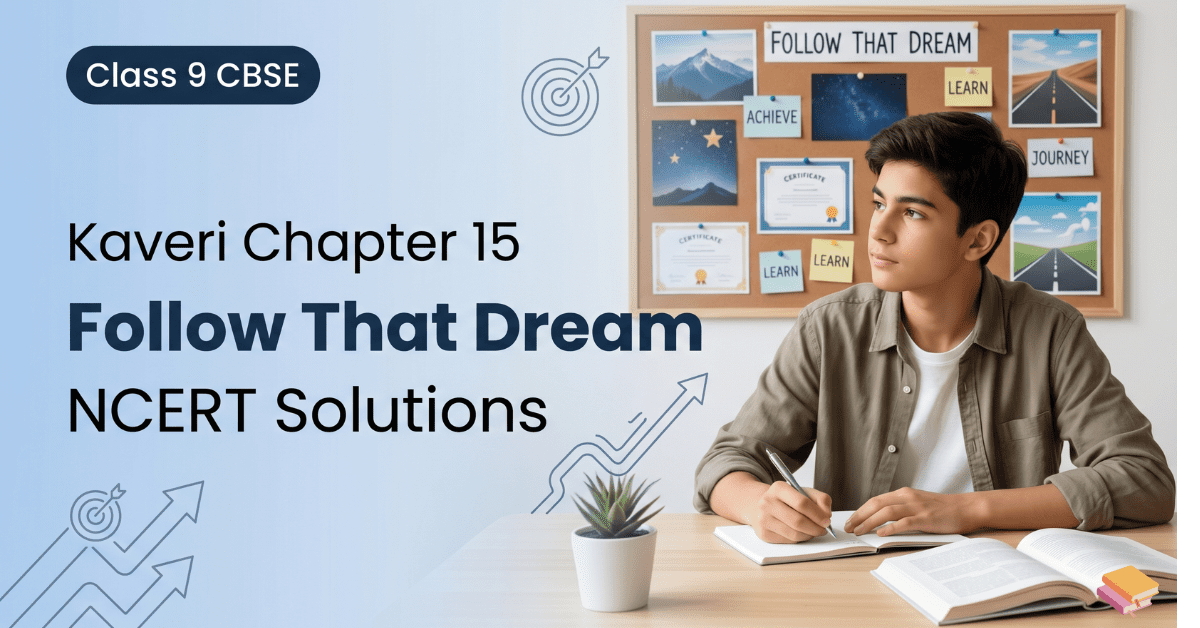
How I Taught My Grandmother to Read treats literacy as empowerment; The World of Limitless Possibilities celebrates resilience and breaking barriers; Follow That Dream stresses long-term effort toward one’s goals; and Believe in Yourself makes confidence the basis of action. Together, they present growth as something earned through discipline, hope, and inner strength.
2. Respect for work and the dignity of ordinary vocations
A major thread runs through The Pot Maker, Gifts of Grace: Honouring Our Vocations, Canvas of Soil, Carrier of Words, and Winds of Change: each text honours people whose work is often overlooked—artisans, gardeners, postmen, and traditional craft workers. These texts suggest that labour is not merely economic; it is creative, ethical, and socially sustaining.
3. Tradition in dialogue with change
Several texts are concerned with preserving heritage while responding to modern life. Bharat Our Land celebrates India’s cultural and spiritual richness; The Pot Maker and Winds of Change foreground traditional crafts under pressure; and Twin Melodies stages a direct tension between classical inheritance and musical experimentation. The common question is not simply whether change is good or bad, but how tradition can survive without becoming rigid.
4. Words, music, and communication as forces that connect people
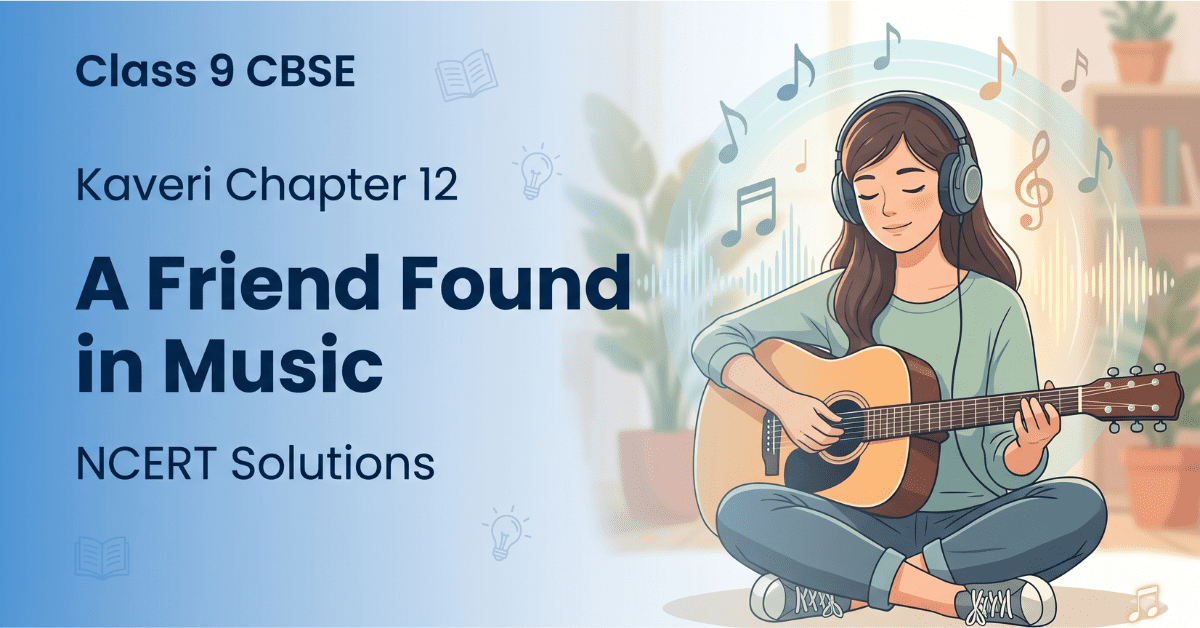
This anthology repeatedly treats expression as life-giving. In How I Taught My Grandmother to Read, literacy opens access to story and independence; Carrier of Words shows letters as emotional bridges; Words values sincerity over ornament; Twin Melodies and A Friend Found in Music show music as expression and companionship; and I Cannot Remember My Mother preserves maternal love through the memory of song. Language and music are both shown as carriers of memory, comfort, and relationship.
5. Family, care, and intergenerational bonds
Many of the pieces are emotionally anchored in family relationships: granddaughter–grandmother in How I Taught My Grandmother to Read, the mother’s remembered presence in I Cannot Remember My Mother, the affectionate generational misunderstandings in Vitamin-M, and the mother’s advice in Follow That Dream. Even where the setting expands into sport or society, the moral center remains human care.
6. Compassion over competition, status, or limitation
Texts like Nine Gold Medals and The World of Limitless Possibilities clearly privilege humanity over narrow definitions of success. Gifts of Grace does something similar by refusing to rank vocations. The larger message is that worth lies not in medals, prestige, or physical advantage alone, but in empathy, perseverance, and contribution.
THEMATIC CONNECTIONS BETWEEN THE TEXTS
| Major Theme | Texts Connected to It | Common Idea |
| Learning and Self-Development | How I Taught My Grandmother to Read, The World of Limitless Possibilities, Follow That Dream, Believe in Yourself | These texts show that education, curiosity, determination, and self-confidence are powerful forces in human life. They suggest that a person can rise above limitations, improve themselves, and shape their future through learning, hard work, and faith in their own abilities. |
| Family and Emotional Bonds | How I Taught My Grandmother to Read, I Cannot Remember My Mother, Vitamin-M, Follow That Dream | These lessons and poems emphasize that family is the first source of love, emotional security, and moral guidance. They show how memories of parents, grandparents, and close relationships continue to influence a person’s values, dreams, and emotional strength. |
| Dignity of Labour | The Pot Maker, Gifts of Grace: Honouring Our Vocations, Canvas of Soil, Carrier of Words, Winds of Change | These texts remind us that every form of honest work has value, whether it is done by an artist, artisan, gardener, or postman. They teach respect for ordinary workers and highlight the idea that society is sustained by the dedication, skill, and service of people in all vocations. |
| Tradition and Culture | Bharat Our Land, The Pot Maker, Winds of Change, Twin Melodies | These works focus on cultural identity, inherited traditions, and the richness of Indian heritage. At the same time, they explore how traditions must respond to changing times, creating a balance between preserving the past and accepting new influences. |
| Words, Music, and Expression | Words, Carrier of Words, Twin Melodies, A Friend Found in Music, I Cannot Remember My Mother | These texts present words and music as powerful forms of expression that carry emotion, memory, and meaning. They show that language and music can comfort, connect, inspire, and preserve human relationships across distance, time, and even loss. |
| Courage and Perseverance | Nine Gold Medals, The World of Limitless Possibilities, Follow That Dream, Believe in Yourself | These pieces celebrate the strength of the human spirit in the face of hardship, failure, or limitation. They encourage readers to remain hopeful, keep trying, and believe that success and dignity come from persistence, courage, and inner resilience. |
| Human Values | Nine Gold Medals, Gifts of Grace: Honouring Our Vocations, Carrier of Words, Words | These texts stress that compassion, kindness, humility, empathy, and respect are more important than fame, status, or outward achievement. They teach that true greatness lies in how we treat others and in the values we uphold in everyday life. |
Why Thematic Connections Matter for Exams
When questions ask for themes or values, students often struggle because they prepare chapters in isolation. But CBSE questions are moving towards analysis and connection.
For example, a question may ask about courage or dignity of labour. Instead of writing from one chapter, you can refer to multiple texts. This improves your answer quality and helps you score better.
Thematic understanding also helps in:
- Writing better long answers
- Improving interpretation skills
- Connecting literature with real life
- Answering competency-based questions
How to Use This Content for Study
Start by reading one theme at a time. Try to link at least two or three chapters with that theme.
Then practise writing short answers based on these connections. This will help you build strong answers for exams.
If you revise these themes regularly, you will notice that many questions become easier to attempt.
Who Should Use This
This content is useful for:
- Class 9 CBSE English students
- Students preparing for exams
- Learners who want better conceptual clarity
- Anyone struggling with literature answers